


Acima Leasing
3.82.25K Reviews
App Specs
- Version
- 5.3
- Updated On
- License
- Free
- Downloads
- 1,000,000+
- Developer
- Acima
- Categories
- Finance
- Platform
- Android, iOS
Screenshots
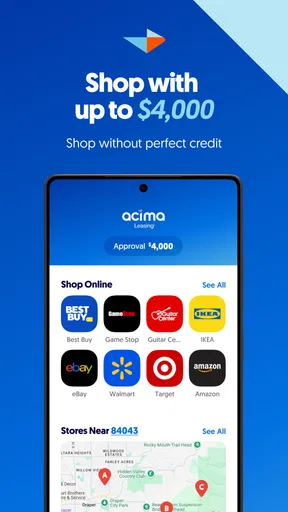
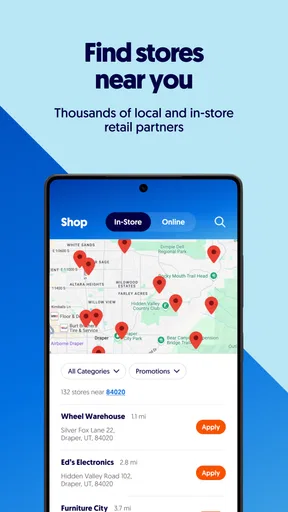
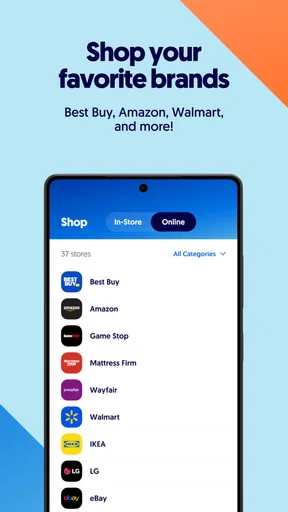
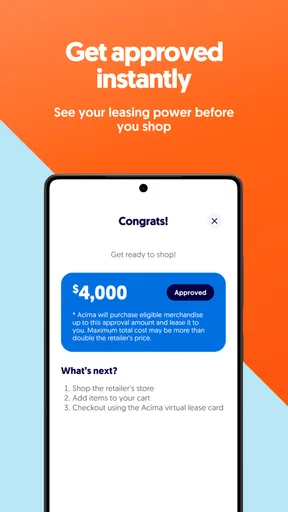
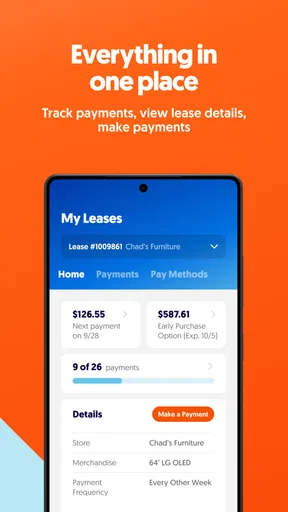
 Analysis by AppCompare
When a necessary purchase does not fit comfortably into a normal monthly budget, the usual choices are to wait, use a credit card, apply for a traditional loan, or look for another way to spread the cost. Acima Leasing is built for that decision point. It is a free finance app from Acima, focused on a no-credit alternative to traditional financing, and I found its real value is not that it makes a purchase automatically affordable, but that it gives shoppers another route to investigate before committing.
I would describe it as a practical starting point rather than a complete replacement for every borrowing option. The app can make sense for someone who needs to explore lease-based purchasing and wants to manage that process from a phone. It deserves more caution from anyone who mainly wants the lowest possible total cost, already has access to inexpensive credit, or tends to accept payment plans without reading the full agreement.
What I looked at before recommending it
My first question with a finance app is not whether the interface feels modern. It is whether the product matches the user’s actual financial situation. Acima Leasing is aimed at people who may have difficulty using traditional credit or who want to consider a no-credit financing alternative. That target audience matters because a lease option is not automatically cheaper than paying cash or using a well-understood credit product.
I would also separate two decisions that are easy to mix together: whether you need the item, and whether this particular payment arrangement is sensible. The app can help with the second conversation, but it cannot decide whether a purchase belongs in your budget. I recommend opening it only after working out a realistic monthly amount that leaves room for rent, utilities, food, transport, and unexpected expenses.
Acima is listed in the Finance category, and the developer is Acima. The app is free to install, which removes an initial barrier for someone comparing options. That does not mean the underlying lease arrangement is free, so I would never treat the download price as the cost of the purchase. The important figures are the payment schedule, total amount, timing, and any conditions shown during the application or agreement process.
Its audience is broad from an age perspective: the content rating is Everyone. That label is useful for basic accessibility, but it should not be confused with a recommendation for every household. A young adult, a parent shopping for an appliance, and someone rebuilding financial stability may all open the same app while needing completely different guidance before accepting an agreement.
The app has been available since June 4, 2021, and the current version is 5.3. It supports devices running Android 7.0 or later. Those details suggest that many older Android phones can use it, although practical performance can still depend on the device, operating-system condition, and connection. I would update the app before starting an important application, especially if the phone has not received recent maintenance.
Worth Reading Before You Choose

EA SPORTS FC Mobile 26 Is a Bigger Football Game, but It Takes Time

Flipboard Shows What News Apps Must Do Beyond the Feed

Switching to Android Auto Means Rethinking Your Driving Routine

Google Calendar Makes a Crowded Week Easier to Manage

Ludo King Makes the Most of the Minutes Between Plans

Baby Panda World Brings Quick Play to Modern Phones, but Its Game Library Feels Busy
How I would use it before making a purchase
I would begin with a narrow purpose instead of browsing casually. For example, if my washing machine failed, I would first write down the exact type of replacement I need, the maximum payment I can handle, and the amount I could pay immediately. Then I would use the app to explore the Acima route, keeping those limits visible rather than letting the available payment option set my budget for me.
That workflow is more useful than treating the app as a shopping shortcut. It forces the purchase decision to come first and the financing decision to come second. The distinction is important because a lower-looking recurring payment can make a larger purchase feel harmless, even when the total obligation is harder to manage.
I would also keep a written comparison beside the phone. Record the cash price, the amount due at the start, the recurring payments, the length of the arrangement, and the total required to own the item if ownership is part of the agreement. If the information is presented across several screens, taking careful notes before confirming is worthwhile. Finance decisions are much easier to compare when the numbers are in one place.
Another useful habit is to pause before entering sensitive information. I would check that I am using the official app listing, a secure personal connection, and a phone that is not shared with someone else. I would avoid completing an application while distracted in a store or under pressure from a salesperson. The best time to review a financial agreement is when I can read every screen calmly.
Where Acima Leasing is most useful
The clearest strength is access. Someone who cannot rely on a traditional credit card or conventional financing may still want a way to obtain an essential household item. In that situation, the app gives the user a dedicated place to explore a different category of payment arrangement instead of assuming that a rejected credit application ends the search.
I also like the convenience of having the process associated with a mobile app. A phone-based route can be easier to revisit than loose paperwork, particularly when a user wants to check an agreement or organize the next step away from a checkout counter. That convenience is most valuable when it improves understanding, not when it encourages a rushed acceptance.
Consider a realistic emergency: a refrigerator stops working just before payday. Waiting may risk spoiled food, while putting the entire replacement on a high-interest credit card may create another problem. A shopper could use Acima Leasing to investigate whether its lease option is available for the needed purchase, then compare the full commitment with borrowing from a family member, waiting for income, buying a lower-cost model, or using a conventional payment method. The app is useful in that comparison, even if the final answer is not to proceed.
It may also help a person who has been turned away by ordinary financing and needs to understand what alternatives exist. The important word is “understand.” Approval or eligibility, if offered, should be treated as permission to examine terms, not as proof that the purchase is affordable. I would still calculate the total obligation and ask what happens if income changes.
The app’s scale also indicates that it is not an obscure experiment. It has more than a million installs, with an average rating of 3.8 from around four thousand six hundred ratings and roughly two thousand two hundred written reviews. I see that as evidence of meaningful public use, not as a guarantee of a smooth experience for every person. A middling average usually deserves a closer look at the process and expectations rather than blind confidence or automatic dismissal.
The trade-offs I would not overlook
The biggest limitation is built into the product category: a lease-to-own or similar arrangement can cost more overall than paying cash or using a cheaper form of credit. The app’s “no credit” positioning may be attractive, but access and value are separate questions. A person who qualifies for a low-cost credit union loan, can wait and save, or has enough cash may find a traditional route financially better.
I would be particularly careful with essential purchases because urgency reduces negotiating power. If a car repair, appliance failure, or medical-related household need leaves little time, it is easy to focus on the first manageable payment and overlook the complete obligation. My advice is to compare the total amount before agreeing, not after the first payment has already been scheduled.
Another friction point is that a mobile interface can make complex terms feel simpler than they are. A short screen may show only the next payment or an initial amount, while the consequences of the full arrangement require more reading. I would not rely on a screenshot, a verbal explanation, or a store employee’s summary. The agreement itself should control the decision.
There is also a behavioral risk. Because the app is free and easy to keep on a phone, it can become a tempting answer whenever a purchase feels just out of reach. I would avoid using it for upgrades, impulse purchases, or items that are not necessary. The more replaceable the item, the stronger the case for waiting, saving, buying used, or choosing a less expensive model.
The public rating is neither alarming nor exceptional. An average of 3.8 suggests a mixed experience, so I would expect that ease of use, eligibility, retailer interaction, and individual circumstances can affect satisfaction. I would not install it expecting the app alone to solve a difficult financial situation. Its role is narrower: help a shopper explore Acima’s option and make a more informed comparison.
When another category is a better fit
Cash is usually the simplest alternative when the purchase can wait. It avoids an ongoing obligation and makes the total cost clear immediately. If saving for a short period would not create a serious hardship, I would choose that route before considering a lease arrangement.
A conventional credit card may be more suitable for someone who already has a low interest rate, understands the repayment plan, and can clear the balance reliably. The benefit is familiarity and flexibility, but only if the user avoids carrying expensive revolving debt. A credit card is not automatically better; it is better only when its costs and repayment behavior are under control.
A bank, credit union, or personal-loan option may fit a borrower with stable income and stronger credit. Those products can offer clearer ownership from the beginning and potentially lower total costs, but approval requirements vary. If the user does not qualify or would receive unfavorable terms, Acima’s category may be worth examining as a comparison rather than rejecting it automatically.
Buy-now-pay-later services can appear closer to a short installment plan, but they should not be treated as interchangeable with Acima Leasing. The agreement structure, repayment period, ownership terms, and consequences can differ. I would compare the documents line by line instead of choosing based on the smallest advertised payment.
For a nonessential purchase, delaying is often the strongest alternative. I would also consider a refurbished item, a lower specification, a local secondhand purchase, or a repair. Those choices may require more effort, but avoiding a new financial commitment can be worth more than the convenience of immediate delivery.
The real cost of switching to this option
Switching from a familiar payment method to a lease-based alternative has a learning cost. You need to understand terminology, payment timing, ownership conditions, and what the arrangement means if you return the item, miss a payment, or want to finish early. I would reserve enough time to read the agreement and save a copy of the final terms for my records.
There is also a planning cost. A payment that fits this month may compete with insurance, school expenses, repairs, or seasonal bills later. Before proceeding, I would test the payment against a deliberately conservative budget. If the purchase only works when every paycheck arrives on time and no unexpected expense occurs, it is too tight for my comfort.
Moving from a credit card to Acima may reduce reliance on a revolving balance for a user who cannot access ordinary credit, but it does not remove the need for discipline. Moving from cash may add complexity and potentially increase the total cost. Moving from another installment service may change the agreement rather than improve it. The right comparison depends on what the user is replacing.
I would also prepare for the possibility that the app is only one part of the experience. Retailer availability, the item being purchased, and the final agreement can shape the outcome. That means I would not uninstall my budgeting tool, delete notes, or stop comparing prices just because I found a possible route through Acima. The app should support the decision, not become the decision.
Who should install it, and who should skip it
I think Acima Leasing is worth considering for a shopper who needs an item, has limited access to traditional credit, wants to examine a no-credit alternative, and is willing to compare the complete cost before accepting anything. It is especially relevant when the purchase is genuinely necessary and waiting would create a practical problem.
I would skip it for an impulse purchase, a luxury upgrade, or an item that can reasonably be delayed. I would also look elsewhere first if I already had enough cash, a clearly cheaper borrowing option, or a trusted credit union offering terms I fully understood. In those situations, the convenience of the app is unlikely to outweigh the possible financial trade-off.
Anyone with an unstable income should be extra cautious. A payment plan can turn a temporary shortage into a longer obligation. If the user is already behind on bills, I would prioritize essential expenses and free financial counseling before adding another agreement. The app can present an option, but it cannot make an unaffordable commitment safe.
My recommendation after weighing the alternatives
My recommendation is conditional but positive: install Acima Leasing if you specifically need to investigate a no-credit alternative, not simply because a purchase is available. The free app from Acima is relevant, accessible on older Android versions, and supported by a substantial user base. Its strongest role is as a comparison tool for people who may not fit traditional financing.
I would use it with a written budget, a complete-cost comparison, and enough time to read every agreement screen. I would never judge the option by the first payment alone. If cash, waiting, a lower-cost loan, or a carefully managed credit card produces a better total outcome, I would choose that instead.
In short, this is not a universal answer to expensive purchases. It is a useful doorway into one specific finance category, especially for shoppers who need an alternative to conventional credit. My practical rule is simple: use the app to widen your choices, then choose the arrangement that leaves your future budget safest.
Pros
- Flexible lease-to-own options for shoppers with limited credit history.
- Quick application process with decisions often available shortly after applying.
- Can help obtain essential household items without a traditional loan.
- Payments may be managed conveniently through the Acima customer portal.
- Available at many participating retailers and online shopping partners.
Cons
- Lease-to-own costs can greatly exceed the item's original cash price.
- Missed payments may lead to fees
- collection activity
- or loss of the merchandise.
- Approval does not guarantee affordable payments or favorable lease terms.
- Not every retailer
- product
- or location accepts Acima Leasing.
- Terms and early-purchase savings can vary
- requiring careful contract review.
FAQs for Acima Leasing
What is Acima Leasing, and how does it work?
Acima Leasing is a lease-to-own service that allows eligible customers to obtain furniture, electronics, appliances, mattresses, tires, and other products through participating retailers. Instead of paying the full price immediately, you make scheduled lease payments under the agreement. After completing the required payments, you may own the merchandise, depending on the terms selected. Review the total cost carefully before accepting.
Can I use Acima Leasing with any store or purchase any product?
No. Acima Leasing is available only through participating retailers and for merchandise that meets the company’s approval and eligibility requirements. Availability can vary by location, retailer, product category, and purchase amount. Before planning a purchase, check whether the store accepts Acima and confirm that the specific item qualifies. Some retailers may also apply their own product, delivery, or service restrictions.
How much does Acima Leasing really cost?
The amount you pay can be considerably higher than the item’s cash price because lease-to-own agreements include recurring payments and may include fees or other charges. Acima commonly presents different payment options, including an early-purchase option in some agreements, but the exact savings and total cost depend on your contract. Read the payment schedule, ownership terms, fees, and cancellation conditions before signing.
Does applying to Acima Leasing affect my credit score?
Acima’s application process may use information from your application and other verification methods to determine eligibility. Depending on the process and circumstances, the inquiry may not be handled like a traditional loan application, but customers should not assume that every application has identical credit-reporting consequences. Carefully review the disclosures and privacy information shown during checkout, and provide accurate details when applying.
What should I know about missed payments or returning merchandise?
Missing a scheduled payment can lead to additional charges, collection activity, or termination of the lease-to-own agreement, while returning merchandise may not eliminate every amount already owed. The exact consequences depend on your contract, state regulations, and the retailer’s procedures. Contact Acima promptly if you expect difficulty paying, and review the agreement’s return, reinstatement, cancellation, and ownership provisions before proceeding.


